
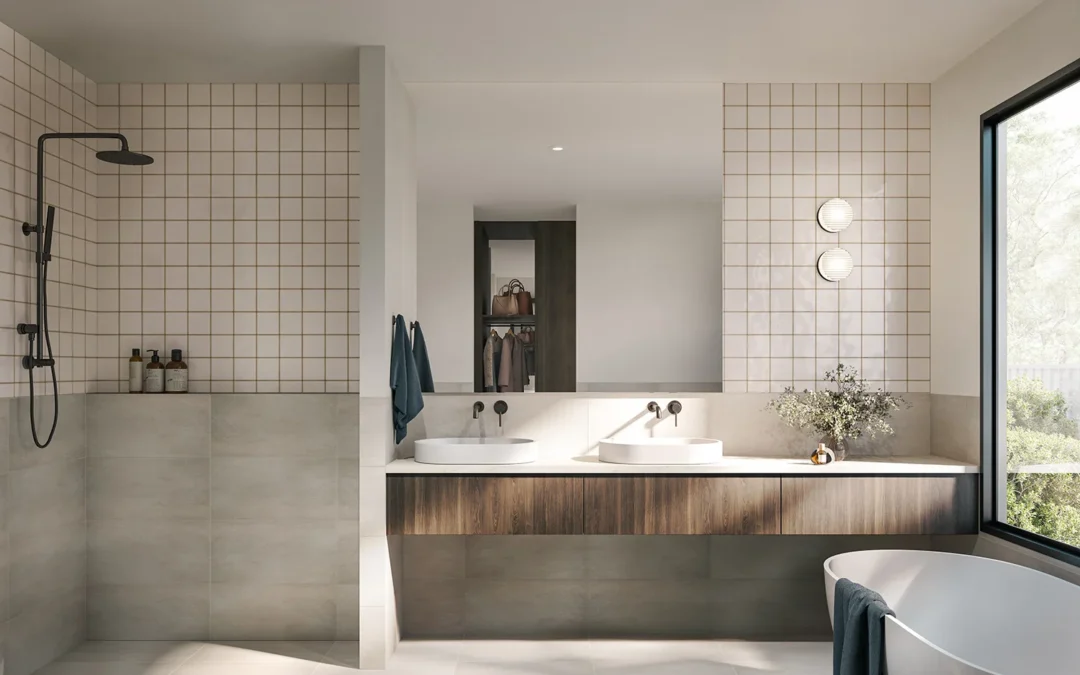
Custom home design floor plans allow Australian homeowners and a trusted Brisbane custom home builder to conceptualise and create a residence that reflects the client’s unique lifestyle preferences. You and your contractor will collaborate and exchange ideas on how to achieve this objective. Whether you prefer a Mediterranean residence, a luxury estate, or an eco-friendly home, the possibilities are endless.
If you’re new to custom built homes floor plans and don’t know where to start, we’re here to help. As a trusted contractor that has assisted numerous Australian clients with various projects, including Brisbane knock down rebuilds, since 1996, we can guide you through this exciting journey.
Key Takeaways
- Tailor your floor plan to match your lifestyle and daily routines for a functional custom home.
- Efficient layouts maximise usable space by simplifying traffic flow, aligning services, and incorporating multifunctional furniture.
- Maximising natural light through large windows and skylights improves ambience and energy efficiency.
- Planning for children’s safety in layout and fixtures ensures a secure, family‑friendly environment.
- Design your home as a private sanctuary with intentional privacy features and noise‑reducing elements.
This blog will serve as a comprehensive guide to luxury home floor plans, enabling you to make informed decisions, receive a high return on investment, and enjoy a home that reflects your lifestyle and unique personality.
1. Choose A Floor Plan That Complements Your Lifestyle
Modern home floor plans aren’t created haphazardly. As a trusted Australian home builder with nearly 30 years of valuable industry experience, we recommend choosing a floor plan that reflects your unique lifestyle. Envisioning your day-to-day activities will help you conceptualise and create a floor plan that meets your requirements.
Basic floor plans for Australian homes include the following:
- Open floor plan: This layout is ideal for families who prioritise connection and socialisation. Minimal walls and separation create a spacious, flowing environment that seamlessly integrates your living, dining, and kitchen spaces.
- Traditional floor plan: We recommend this floor plan for families who prefer defined, private spaces with traditional elegance.
- Split-level floor plan: This layout features staggered levels that optimise space and provide clear separation among living areas.
- Multi-storey floor plan: We recommend this layout for families who value privacy and space. A multi-storey floor plan clearly distinguishes unique spaces across several levels.
2. Augment Your Layout to Enjoy More Space
An efficient floor plan helps homeowners maximise space in their bespoke residence, creating openness and enhancing timeless elegance. You can achieve these objectives in several ways:
- Simplify hallways: Streamlining unnecessary hallways and creating functional rooms allows you to optimise space and eliminate tight, congested living areas.
- Optimise plumbing: Aligning kitchens, bathrooms, and laundry areas helps simplify construction and significantly reduces costs. This space-saving strategy also allows clients to create a personalised design tailored to their lifestyle preferences.
- Utilise multipurpose furniture: Incorporating multipurpose furniture, such as pull-out couches, storage ottomans, extendable dining tables, fold-down wall desks, and modular sectional sofas, helps Australian homeowners maximise space in smaller, bespoke residences.
3. Utilise Natural Light
Natural light not only creates a warm home ambience, but it also significantly enhances energy efficiency, thereby reducing your monthly utility bills. These strategies allow you to seamlessly integrate natural light into your custom home seamlessly:
- Install expansive windows: Installing large windows allows natural light to permeate your living space, creating a warm and inviting atmosphere. Your custom home builder can suggest strategic expansive window locations based on your house’s surroundings.
- Consider skylights: Skylights are an excellent way to enhance natural light in spaces without large windows, such as bathrooms, hallways, and kitchens. These fixtures create a brighter, spacious vibe that many Australian homeowners will love.
4. Accentuate Your Natural Surroundings
Your custom home’s natural surroundings can enhance its aesthetics and curb appeal, allowing you to enjoy a living space that integrates modern elegance with the great outdoors. Australian homeowners can create a unique biophilic design by implementing these techniques:
- Breathtaking views: Expansive windows, sliding doors, folding walls, verandas, skylights, balconies, and viewing decks allow clients to enjoy captivating views in the comfort of their homes. Seamless indoor and outdoor integration: Patios, decks, and balconies seamlessly mesh indoor and outdoor living areas, allowing you to enjoy the best of both worlds.
- Balanced harmony: We recommend choosing colours and materials that blend with your natural environment, creating a custom home that integrates seamlessly with its landscape. For instance, a house situated near a wooded landscape painted in earthy colours, such as warm beige, soft taupe, or deep forest green, blends well with its natural surroundings.
5. Prioritise Children’s Safety
We encourage families to prioritise their children’s safety to ensure peace of mind. A safe, child-friendly custom home allows residents to enjoy harmonious and worry-free day-to-day living. The following safety tips will help you achieve this objective:
- Assemble built-in safety gates on both ends of the staircase to prevent children from wandering into hazardous areas.
- Install expansive windows with childproof accidents to prevent accidents.
- Installing egress windows in basement areas serves as an additional emergency exit.
- Create safe play areas where you can supervise your children from a distance. Whether you’re cooking in the kitchen or working from home, a strategic location provides busy parents with peace of mind.
- Use furniture with round edges or use corner guards to prevent injuries.
- Use safe electrical fittings and tamper-resistant switches to prevent electric shock.
6. Transform Your Space Into A Private Sanctuary
Nowadays, custom homes transcend mere residential structures. Many homeowners consider these lavish projects their private sanctuaries where they can de-stress, recalibrate, and enjoy quality time with family and friends.
The following strategies will help you transform your custom home into a sophisticated getaway:
- Intentional floor planning: Arrange living spaces intentionally to minimise visibility and maximise privacy, creating a calm and private environment.
- Noise reduction: Soundproof insulation, triple-glazed windows, solid-core doors, acoustic panels, and sealed gaps and cracks significantly reduce noise in your custom home.
- Outdoor retreats: Installing an expansive outdoor patio or garden provides Australian homeowners with a lush, invigorating getaway.
- Fencing or privacy screens: These structures enhance the seclusion of your custom home, making it ideal for families who value privacy and solitude in their outdoor sanctuaries.
- Frosted windows: Installing these windows in your bathrooms or private living areas helps enhance natural light and promote a sense of solitude and relaxation.
7. Adaptable Layouts For Greater Versatility
Modern Australian custom homes are designed to adapt to their homeowners’ specific needs, offering a sense of empowerment and control. A trusted contractor can design and build multifunctional living spaces that enhance versatility, allowing you to gain more for less.
For example, multifunctional furniture, strategic storage units, curtains, blinds, and room dividers transform your guest room into a productive home office. You can easily revert to a guest room and enjoy socialising with your family and friends on weekends.
FAQs
What are the critical elements to consider in custom home design?
Custom home design involves balancing functionality, aesthetics, and long-term usability. Important elements include layout, orientation, material selection, and how each space connects. The design should reflect how you live while also considering site conditions and environmental factors. Every decision, from room placement to finishes, contributes to how the home performs and feels. By focusing on these elements early, you can create a design that works cohesively and supports both daily living and future needs.
Why is layout important in custom home design?
The layout shapes how the home functions day to day. A well-planned layout improves flow between spaces and supports different activities without conflict. It also helps define zones for living, working, and relaxing. Poor layouts can make spaces feel disconnected or difficult to use. By planning the layout carefully, you can ensure the home feels practical and comfortable while making the most of available space.
How does orientation affect home design?
Orientation influences natural light, ventilation, and overall comfort. Positioning the home correctly can improve energy efficiency by making better use of sunlight and airflow. It also affects how spaces are experienced throughout the day. For example, living areas placed to capture natural light can feel more open and inviting. Considering orientation during the design stage helps create a home that performs well in different conditions and supports a more comfortable living environment.
What role do materials play in custom home design?
Material selection affects both the appearance and durability of the home. High-quality materials can improve longevity and reduce maintenance over time. They also contribute to the overall look and feel of each space. Choosing materials that suit your design style while meeting practical requirements ensures a balanced result. Consistency across materials also helps create a cohesive design, where each element works together rather than feeling disconnected.
How can you ensure your custom home design meets your needs?
Ensuring your design meets your needs starts with understanding how you live and what you value in a home. This includes considering your daily routines, future plans, and any specific requirements. Working closely with professionals helps refine these ideas into a practical design. Regular discussions and feedback throughout the process ensure the design stays aligned with your expectations. By staying involved, you can create a home that feels tailored to your lifestyle and supports long-term comfort.
Conclusion
Designing an Australian custom home requires careful thought and planning. It’s an exciting journey that empowers homeowners to tailor their living spaces to their unique needs and lifestyles. Considering your ideal layout, utilising natural light, integrating your outdoor and indoor areas, ensuring children’s safety, enhancing privacy, and installing multifunctional living spaces increase curb appeal and yield a high return on investment.
Since 1996, Unique Built has designed and constructed Australian custom homes tailored to our clients’ preferences. Whether you prefer a bespoke luxury home or Gold Coast knock down rebuilds, we have the experience and expertise that guarantee long-term results.

