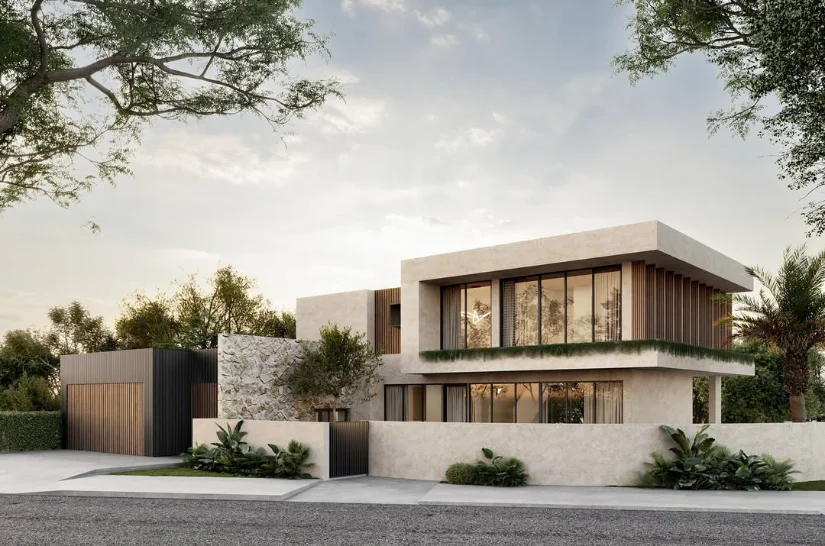
The future of Australian luxury living transcends square footage, high-end materials, status, exclusivity, aesthetic appeal, and amenities. Nowadays, savvy homeowners prioritise sustainability, self-sufficiency, and architectural intelligence. Zero net energy homes offer them a comfortable living space that minimises environmental impact.
This paradigm shift has significantly changed the country’s bespoke luxury housing landscape. Many Australians have gravitated toward stylish and innovative net zero energy homes with smart energy systems, passive climate control, and eco-friendly features. It’s a trend that will continue for the foreseeable future.
Today’s homeowners have embraced luxury living, practicality, and sustainability. If you are considering a net zero home construction, we can guide you through your journey. As trusted net zero home builders and a Brisbane knockdown rebuild contractor with over twenty-five years of valuable industry experience, we can help bring your dream house to life. We are committed to creating comfortable living spaces that minimise environmental impact.
This blog will delve deeper into the basics of net zero home designs, enabling you to make informed decisions and enjoy luxurious, sustainable living.
Key Takeaways
- Net zero energy homes are designed to generate as much energy annually as they consume, balancing demand with renewable production.
- Core design principles include energy-efficient insulation, sealed building envelopes, passive climate control, and smart systems to minimise energy use.
- Renewable energy technologies such as solar panels, battery storage, and geothermal systems help diversify clean energy sources.
- High-performance glazing, smart ventilation, and energy-efficient appliances improve indoor comfort while reducing energy waste.
- Net zero homes can deliver lower long-term operating costs, greater resilience during outages, and reduced carbon footprint.
Fundamentals of Sustainable and Net-Zero Architecture
As the term implies, a net zero energy home creates and consumes equal amounts of energy annually. It’s upscale living that prioritises aesthetics, functionality, and natural harmony, ensuring your comfort is never compromised.
The basic principles of net-zero architecture include the following:
- Energy-efficient insulation and sealed structural enclosures
- Heat management emphasis prioritising sun orientation and shading
- Energy-saving systems include solar panels, HVAC systems, smart home technology, passive design strategies, and renewable water heating systems
- Smart ventilation to improve indoor air quality
- Smart lighting and energy-efficient appliances
A trusted, highly skilled builder can integrate these features with its clients’ customisation preferences to create an expansive, luxurious, and energy-efficient home that enhances quality of life and well-being.
Harnessing the Power of Renewable Energy
Contrary to popular belief, net zero energy houses don’t rely exclusively on solar power. Instead, these cutting-edge residential structures diversify energy-efficient, renewable systems, including the following:
- Strategic solar panel installation throughout the premises to manage natural light
- Geothermal heating and cooling that harnesses subsurface thermal energy and ensures consistent comfort
- Battery storage systems that provide surplus energy supplies
- EV charging stations that utilise renewable energy and reduce carbon footprint
Modern Australian zero energy homes have incorporated electric vehicle infrastructure to complement environmentally friendly transportation. Builders ensure that each system is not only functional, but also integrates seamlessly with the property’s architectural style.
Limitless Elegance: Innovative Technology, High-Quality Materials, and Eco-Friendly Comfort
Many Australian homeowners believe that they must sacrifice elegance to build a sustainable bespoke home. However, this is a misconception that modern net zero energy houses have disproven over the years.
Collaborating with a reliable, highly experienced Gold Coast knockdown rebuild specialist will allow you to achieve a sophisticated, innovative, and eco-friendly home. Your self-sufficient luxury home will become one of your smartest long-term investments. They have the following features:
- Innovative lighting, HVAC, security, and energy-efficiency technology
- Glazed windows and high-performance doors for regulating indoor air quality and temperatures
- 100% non-toxic materials, including reclaimed wood, zero-VOC paints, sheep’s wool insulation, bamboo or cork flooring, and solvent-free caulks and adhesives
- Ductless mini-split systems, smart climate control, and solar integration that regulate efficient heating and cooling
- Biophilic design features include green walls, water fountains, and indoor gardens
- Therapeutic, energy-efficient wellness spaces include home gyms, spas, and saunas
The Significance of Modern Sustainable Homes
Sustainability transcends individual lifestyles. Whether you prioritise wellness, mindfulness, social living, productivity, entertainment, family, privacy, or recreation, investing in a net zero energy design home is a powerful financial strategy that ensures your long-term future.
The increasing emphasis on climate awareness and energy efficiency has significantly increased the demand for environmentally responsible upscale living. These high-end green residential properties have the following unique advantages:
- Minimal long-term operating costs
- Reliable, consistent performance during power outages and disruptions
- Enhanced curb appeal and long-term property value
- Minimum carbon footprint and environmental impact
High-end buyers have prioritised versatile, elegant, and sustainable homes that align with their lifestyles, contribute to a greener planet, and promote energy efficiency. Reputable Brisbane custom home builders can help bring this vision to life and ensure you live in a sophisticated, elegant, and sustainable residence.
Passive Housing: The Smart Choice to Sustainable Elegance
A passive house is an energy-efficient structure that emphasises indoor comfort and acoustic insulation.
The concept, which traces its roots in Germany almost thirty years ago, prioritises passive energy-saving measures, such as sunshine, shading, and ventilation, instead of active heating, cooling, and ventilation. Combined with efficient insulation and impermeability, passive housing can potentially reduce residential energy expenditure by as much as 90% and drastically minimise monthly energy bills.
Builders follow five passive house design principles, including the following:
- Absence of thermal bridging
- High-quality windows
- Premium insulation
- Controlled internal airflow
Your contractor will integrate these features into your passive house, ensuring cosy indoor settings that remain cooler in summer and warmer in winter.
Creating Net Zero Energy Home Plans Tailored to Their Natural Surroundings
All net zero homes in Australia are unique. Sustainable design revolves around a thorough understanding of the structure’s natural surroundings. Whether zero net carbon homes are on a sloping block or surrounded by lush coastal greenery, highly skilled builders ensure that they adapt harmoniously to their environment.
Several net zero luxury home environmental strategies worth considering include:
- Sun path and seasonal angles that harness solar power
- Prevalent wind patterns that maximise natural ventilation
- Supplies and craftsmanship that minimise environmental footprint
- Native plant landscaping for sustainable water use and biodiversity
- Views, light, and terrain that combine aesthetics and nature
Integrating Wellness and Sustainable Living
Australian builders have prioritised balance and wellness when making net zero home design plans. These state-of-the-art residential structures support a greener planet and homeowners’ well-being, improving their quality of life and providing them with peace of mind. Net zero energy residences eliminate toxins, enhance the quality of air, and harmonise with natural surroundings, creating a versatile living space tailored to the environment and holistic health.
Homeowners who prioritise wellness-centred design elements may find these ideas appealing:
- Fresh air systems
- Eco-friendly building materials
- Noise-reducing and multifunctional layouts
- Biophilic elements and sufficient natural lighting
- Health and wellness fixtures include saunas, plunge pools, and meditation areas
Frequently Asked Questions
What does net zero mean for a home?
In the home building industry, “net zero” (or a net-zero energy home or net-zero emissions home) refers to a house that generates as much energy as it consumes in one year. The goal is to achieve a delicate balance between the energy used and the renewable energy it creates, resulting in net zero energy consumption.
In many instances, net-zero homes not only produce zero carbon emissions and positive environmental footprints but also provide homeowners with a sense of security and long-term peace of mind, knowing they are contributing to a greener planet and reaping the benefits of their investment.
To achieve these goals, highly skilled and reputable builders install renewable sources, such as solar panels, in a high-performance building environment with on-site renewable energy generation.
What are the disadvantages of eco-friendly homes?
The disadvantages of eco-friendly homes include the following:
- Steep upfront costs: Sustainable materials, insulated glazing, solar panels, and rainwater harvesting systems cost more than traditional options. If you’re on a tight budget, consult a trusted builder who can recommend the best net-zero options for your home.
- Financial challenges: Securing bank funding for eco-friendly homes can be challenging to secure due to the innovative nature of these projects.
- Scarce materials: Eco-friendly materials may not be as readily available as conventional ones, which can significantly increase transportation costs.
- Specialised labour: Hiring specialised architects, artisans, and contractors for eco-friendly homes can be challenging and expensive.
- Complicated and time-consuming: Building eco-friendly homes can take 10 to 17 months, making it challenging for families seeking to relocate immediately.
- Possible higher maintenance: Sustainable features, such as green roofs, rainwater harvesting systems, and water-sensitive landscaping, may require special attention and regular maintenance.
- Limited design alternatives: Some green homes offer homeowners limited floor plan options or personalisation choices.
- Site and infrastructure requirements: Some eco-friendly homes require a large land area, while utility connections may significantly increase hidden costs.
How do I make my home net zero?
You can make your home net zero by following these strategies:
- Renewable energy generation: Solar panels are the most affordable renewable energy generation strategy. They can deliver electricity at approximately 60% to 70% of your average monthly energy bills, saving you money over time.
- Water management: Using rainwater harvesting systems significantly reduces stormwater runoff, lowers water bills, and promotes sustainable water use. Low-flow water fixtures, stacked plumbing, hot water recirculation, and drain water heat recovery also help conserve water and energy use.
- Efficient air sealing: Studies have shown that efficient air sealing helps homeowners reduce energy costs and improve indoor comfort.
- Smart technology: LED lighting, smart thermostats, solar inverters, automated rainwater pumps, smart appliances, and centralised smart home hubs are not only innovative but also minimise energy usage and waste.
- Insulation: Better insulation helps regulate indoor temperatures while drastically lowering your heating and cooling costs. Installing a reliable under-slab insulation helps prevent heat loss and maximise indoor comfort.
- Energy-efficient windows and doors: High-performance, triple-pane brand windows, or low e-storm windows prevent heat loss and maximise indoor natural lighting, enhancing comfort and energy efficiency.
How can I decarbonise my home?
Decarbonising your home requires efficient insulation and sealing methods that enhance long-term energy efficiency. Replacing fossil fuels with renewable energy sources, such as solar panels and heat pumps, can also reduce carbon dioxide emissions.
Choosing low-carbon or recycled building materials, such as timber, concrete alternatives, and steel with recycled components, and reducing construction and household waste can also decarbonise your home.
What are the seven components of a green building?
The seven components of a green building include the following:
- Energy efficiency
- Water conservation
- Environmentally friendly materials
- Indoor environment quality
- Site selection
- Waste reduction
- Innovative design
These elements aim to build long-lasting, eco-friendly structures that yield a high return on investment providing Australian homeowners with peace of mind and security.
What is the most eco-friendly home?
The most eco-friendly home doesn’t rely on just one design. Instead, it combines energy-efficient features, sustainable materials, and strategies that reduce environmental impact.
These homes utilise recycled materials, efficient heating and cooling systems, and renewable energy sources, including solar panels, small wind turbines, ground-source heat pumps, and energy storage systems.
Eco-friendly homes prioritise these design features and innovations, creating a cosy, energy-efficient, and sustainable living space.
What wastes the most energy in a house?
Heating and cooling systems consume the most energy in Australian homes, typically accounting for 40% of monthly energy use. Hot water systems, refrigerators, freezers, and swimming pool pumps also consume substantial amounts of energy.
Cost-effective measures, including upgraded insulation, sealed cracks and gaps, energy-efficient windows and doors, natural daylight, and premium solar panels, allow you to save energy and enjoy peace of mind over time.
What are the five steps to net zero?
The five steps to net-zero include the following:
- Determine your baseline emissions
- Setting scientifically validated reduction goals
- Creating and implementing a reduction action plan
- Implementing carbon offsetting strategies to eliminate existing emissions
- Communicating strategy and progress to stakeholders
These steps provide Australian homeowners with a process-driven approach, deepening their understanding of their current impact and strategies for minimising it over time significantly.
Is it cheaper to leave the AC on all day in Australia?
Leaving the AC on all day in Australia contributes to higher monthly energy costs. Instead, consider using your AC intermittently and only when necessary.
On the other hand, leaving a modern inverter AC unit on at a consistent, moderate temperature in a well-insulated home can save more energy than turning it on and off, especially during the Australian summer months from December to February.
What are the green building trends in 2025?
Green building trends in 2025 are not just about sustainability, they’re also about innovation, shaping the future of construction and inspiring a new era of sustainable living.
These significant trends include the following:
- Prioritising solar and battery storage for net-zero energy
- Integrating smart home technologies for improved efficiency
- Using sustainable and recycled materials to reduce the carbon footprint
- Considering biophilic designs to enhance natural light and ventilation
- Setting up rainwater harvesting systems to collect and conserve water
- Implementing climate-adaptative design principles
What qualifies as a green building?
Green building is a construction strategy that prioritises ecological sustainability, improving energy, waste, and water efficiency while reducing environmental impact and promoting better health and well-being.
Green builders utilise sustainable materials to design energy-efficient systems, including those for natural light and water conservation, throughout the structure’s lifecycle.
What does net zero mean in Australia?
In Australian building terms, “net zero” refers to balancing the amount of greenhouse gas emissions with the amount of greenhouse gas removed. The country’s long-term goal is to achieve net-zero emissions by 2050, with a target of a 43% reduction by 2030.
The Australian government plans to achieve these goals by promoting cleaner energy and electrification, significantly reducing greenhouse emissions.
What are the benefits of net zero?
The benefits of net zero include the following:
- Mitigated climate change
- Improved health and well-being through cleaner air
- Strengthened economic adaptability through cost savings
- Reduced operational costs
- Creation of new job opportunities
- Enhanced adaptability to extreme weather
What are the features of a sustainable home?
A sustainable home prioritises energy efficiency, water conservation, and the use of resilient, eco-friendly materials.
Its key elements include the following:
- Energy-efficient structural orientation
- Premium thermal insulation
- Double-glazed windows
- Solar panel installation
- Water-saving features, including low-flush toilets, rainwater harvesting, and greywater systems
Conclusion
Net zero luxury homes aren’t a fad that will lose traction and popularity over time. Instead, they’re the gold standard of modern, upscale, sustainable living. These residences are smart investments that not only improve your quality of life but also help protect the environment.

