
However, a custom home is also challenging and stressful. To achieve optimal, long-term results, you must consider your budget, location, design, lifestyle, project timeline, and other critical factors. Understanding these considerations also helps set realistic expectations as the project moves forward.
As a trusted provider of premium Gold Coast knockdown rebuilds since 1996, we understand that project delays can happen despite meticulous, thoughtful planning. Inclement weather, permit issues, and supply chain disruptions happen.
However, developing a flexible mindset empowers clients to remain positive and upbeat, despite challenging circumstances and compromised project timelines. Frequent collaboration and updates from your builder enable you to make timely adjustments and ensure positive outcomes.
This blog explains several factors in custom home building, providing timely insights for your project.
Budget and Finances
Considering your current budget and long-term financial stability helps determine the kind of custom home you want to build.
Setting your budget early allows you to prioritise certain items, perhaps high-end appliances or smart technology. A clear budget also determines lower-priority builds, opting for modest landscaping or storage areas.
We recommend allocating part of your budget to unforeseen expenses, including permits, inspections, impact fees, site and ground conditions, design changes, utility connections, and material price increases. Preparing for abrupt, unexpected changes delivers peace of mind and a smoother project timeline.
It’s important to note that many custom home projects require a construction loan that eventually converts to conventional mortgage. Therefore, lenders can offer guidance on interest rates, approval schedules, and required documents. Ask them about the most appropriate financing options for your project.
Understanding local building codes, inspection, and permit requirements minimises disruptions and ensures consistent regulatory compliance for long-term peace of mind.
Land and Site Considerations
Site location has a significant long-term impact on your lifestyle and finances, especially when building a new home. These include:
- Property value and resale potential: Consider a location that’s near your office, children’s school, shops, hospitals, and other amenities. Urban locations, particularly those close to downtown, tend to appreciate faster over time.
- Lifestyle and convenience: Longer commutes can compromise finances and affect quality of life. Faster access to work, recreation, and services enhances long-term convenience.
- Future development and growth: Locations suitable for infrastructure upgrades may increase in value.
- Ongoing costs: Flood-prone or high-risk areas may charge higher insurance premiums. Furthermore, remote locations usually have higher connection and maintenance costs.
- Environmental factors: Orientation influences natural light, heating, and cooling efficiency. High-noise, heavy-traffic, or extreme-climate areas may compromise convenience and quality of life. Consider a location with soil that’s appropriate for your home. Soil quality impacts foundation design, drainage, and long-term maintenance. A contractor specialising in Brisbane knockdown rebuilds can investigate soil quality, helping you choose a suitable location for your custom home.
Some homeowners prefer urban living with amenities such as restaurants, shops, and entertainment centres. On the other hand, others prefer rural areas known for tranquility, picturesque views, and privacy. Whether you prefer urban or rural life, consider travel time, utility access, costs, and maintenance to ensure you enjoy your home’s long-term benefits.
Ask your local government authority about zoning laws, which impact custom home projects. It’s critical to note that your custom home’s size, style, and orientation must comply with these regulations. You must also obtain local council approval before your project begins. In the bigger scheme of things, zoning affects property value and the type of potential buyers.
Function and Lifestyle
As the term suggests, a custom home should reflect your lifestyle. Consider your family’s preferences and daily routines when embarking on this project. Do you need versatile home office spaces, multiple bedrooms, family rooms, or several storage areas? Determine each family member’s unique preferences so you can plan your layout accordingly.
We recommend thinking about the long-term picture: your needs may change over time. For instance, bigger families require flexible rooms and several bathrooms. On the other hand, retired couples may prefer a single-level house to minimise costs and maintenance.
Property value is also part of the bigger, long-term picture. Even if you intend to stay for a long time, new housing trends and practical upgrades can make your property appealing to prospective buyers and transform it into a wise, long-term investment.
Consider balancing aesthetics and practicality to obtain the best results. Although striking design elements and stylish finishes can be enticing, maintenance, resilience, and usability can make them less appealing over time. Collaborate with your builder to create a layout that balances visual appeal and functionality, making your home inviting, personal, and eye-catching.
Project Timeline and Coordination
A typical custom home project timeline includes:
- Planning and pre-design: Budget, goals, site location, zoning, and approvals.
- Design phase: Concept plans, interior layouts, finishes, textures, materials, and preliminary cost estimates.
- Approvals and permits: Local council approvals and building permit filings.
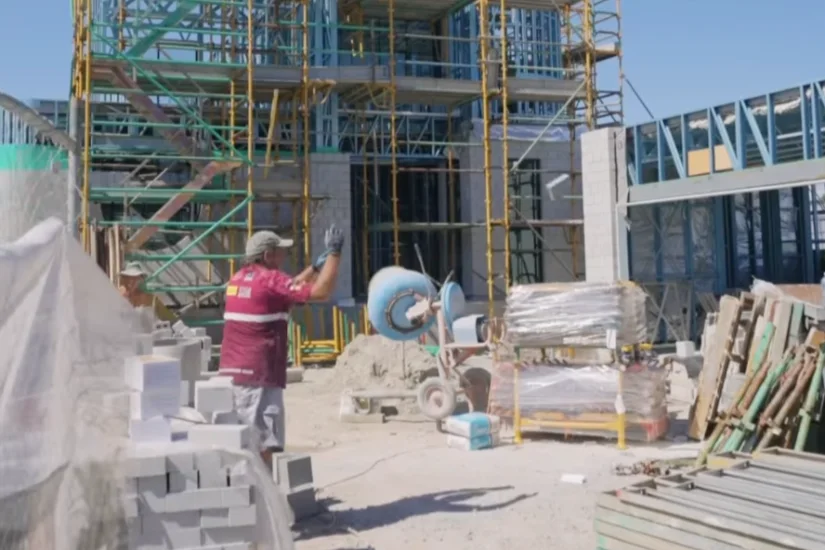
- Construction phase: House framework, utilities, and interior/exterior finishes.
- Final inspections and handover: Final council inspections, certification, and handing over of keys to the client.
- Moving in: Unpacking, arranging fixtures, landscaping, fencing, etc.
Understanding these stages facilitates better planning, budgeting, project management, decision-making, and communication. Making informed decisions at each stage improves your custom home’s functionality, efficiency, and property value.
You may experience delays due to inclement weather, permit issues, or supply-chain disruptions despite meticulous planning. An open-minded approach lets you adjust project timelines as needed and stay optimistic about your custom home build.
Establish a collaborative rapport with your builder from the beginning. Ask them for frequent project updates and for any potential issues without unnecessary pressure. A trustworthy professional relationship ensures your project stays on track and reduces stress levels.
Materials and Environmentally Friendly Features
Combine long-term durability and personal preferences when choosing custom home materials. Instead of settling for cheaper, substandard materials, select premium, cost-effective roofing, windows, and flooring that deliver a high return on investment.
Nowadays, sustainable homes have become more popular with Australian homeowners due to their lower energy costs, reduced environmental impact, increased comfort, and healthier living environment. Consider eco-friendly features, including:
- Solar panels
- Double-glazed windows
- Naturally-sourced timber
- Non-toxic paints, finishes, and adhesives
- Rainwater harvesting systems
- Water-efficient taps, showerheads, and toilets
- Natural lighting
- Efficient irrigation systems
- Automated heating, cooling, and lighting controls
Integrating these features into your custom home improves overall energy efficiency and comfort while contributing to a greener planet.
Customisation and Special Features
A custom home allows you to personalise your new space and make it uniquely yours. Whether it’s an expansive kitchen, versatile living and home office arrangements, a home library or home gym, a beautiful patio, or premium landscaping, these elements allow your custom home to stand out.
Aside from sustainable features, smart home technology has become the norm in Australian custom home projects. Automated LED lighting systems, home security setups, climate control, and entertainment systems enhance comfort, convenience, home value and cost savings.
Personalising smaller elements, including built-in shelves and creative storage solutions, adds character and appeal, making your custom home truly yours.
Conclusion
A custom home project can be exciting, marking a new chapter in life. Considering several factors, including budget, finances, land and site considerations, function, lifestyle, project timeline, and sustainable and customisable features, empowers you to overcome potential hurdles and reap long-term benefits.
A Brisbane custom home builder can be a game-changer for your project. Since 1996, we have empowered numerous homeowners in Southeast Queensland with cost-effective, built-to-last custom homes.

